How can African farmers turn agroecological practices into real economic value through carbon markets? This question will be at the heart of an international conference organized by the African Green Store Network (AGSN) at the Centre Polyvalent de Formation (CPF) in Mbouo-Bandjoun ( West Cameroon).
Organized in partnership with KCOA, Humboldt University, the Economic and Social Council of Cameroon with the partnership of EBZ in Germany, the CPF of Mbouo, Berco Institute and CAPEF in Cameroon, the event brings together farmers, researchers, policymakers, and development partners to explore how agroecology, agroforestry, and organic agriculture can generate Emission Reduction Units (ERUs) and access climate finance—particularly for women and young people.
The conference is part of the project “Building Women- & Youth-Led Network Alliances for Agroecology and Organic Agriculture”, funded by GIZ-KCOA and implemented by a consortium including YPARD, PELUM Kenya, and AGSN. Its objective is to move from subsistence farming to agriculture remunerated for its climate impact.
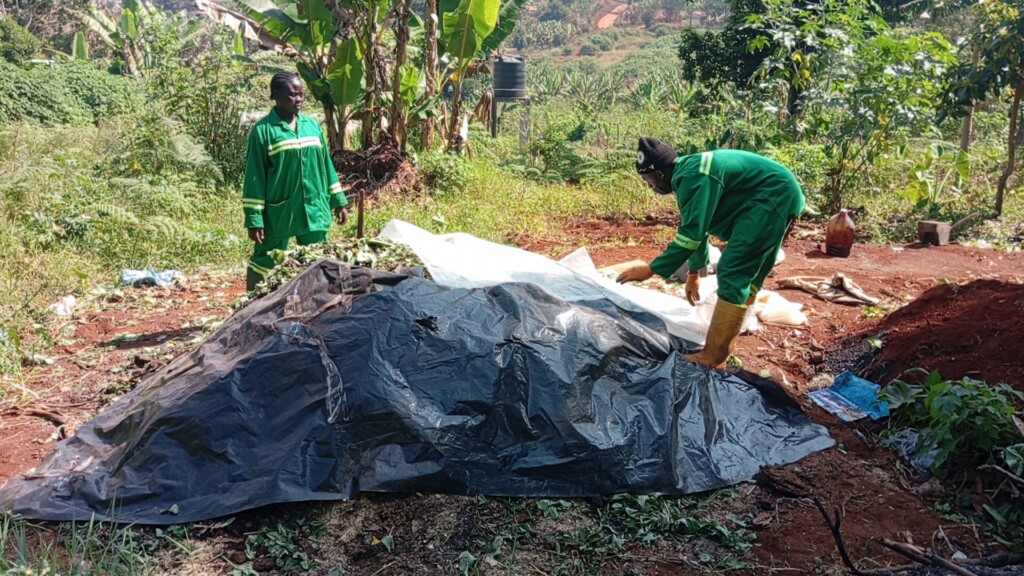
With a network of 36 vocational training centers, universities, and NGOs across 12 African countries, AGSN aims to aggregate small agroecological projects and standardize high-quality, ethical, and traceable African carbon credits. The CPF of Mbouo will serve as a hub for community-based Measurement, Reporting, and Verification (MRV), combining field data with satellite monitoring to reduce certification costs.
Panels and field visits will focus on soil health, agroforestry, carbon calculation, and market access, while demonstration farms in Mbouo and Dschang will showcase practices “from field to carbon certificate.”
By the end of the conference, participants are expected to adopt the Mbouo-AGSN Declaration and lay the groundwork for inclusive carbon finance that strengthens rural livelihoods and Africa’s role in the global carbon market.
Preston Kambou
Ensemble, pensons une nouvelle humanité